Wholesome Homemade Baby Food Recipes: Nutritious Purees and Toast Toppers for Every Stage
Introducing solid foods to your baby is one of the most exciting milestones in early parenthood. Making baby food at home gives you full control over the ingredients, ensuring your little one receives the freshest, most nutritious meals possible — free from preservatives, added sugars, and unnecessary additives. Whether you are just starting with smooth purees or exploring finger foods for older babies, these simple homemade recipes are designed to nourish, delight, and support healthy development at every stage.
Homemade Baby Food Purees
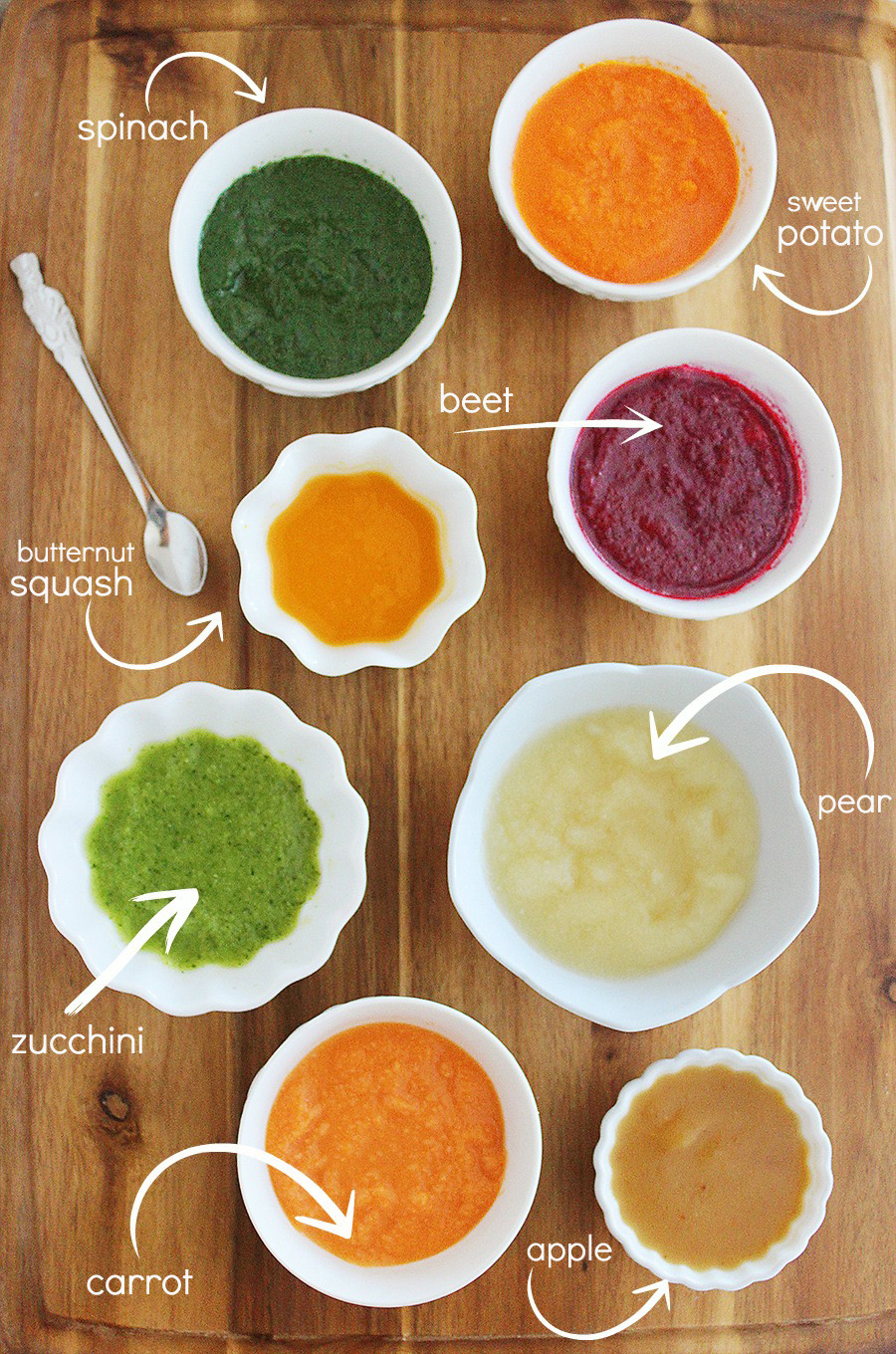
Smooth, vibrant purees are the ideal starting point for babies between four and six months of age. These nutrient-dense blends are easy to prepare in batches and can be stored in the refrigerator or freezer for convenient on-demand feeding. By rotating through a variety of vegetables fruits, and grains, you help your baby develop a broad palate from the very beginning.
- 2 medium sweet potatoes, peeled and cubed
- 1 cup fresh or frozen peas ripe bananas
- 2 apples, peeled, cored, and chopped1 cup butternut squash, peeled and cubed
- Filtered water or breast milk for thinning consistency
- Steam cubes over medium heat for approximately 15 minutes, until fork-tender.
- In a separate steamer basket, cook the peas for 5 to 7 minutes until soft and bright green.
- Peel and core the apples, then simmer in a small saucepan with two tablespoons of water for 10 minutes until tender.
- Steam the butternut squash cubes for 12 to 15 minutes until completelyened.
- Transfer each cooked ingredient to a blender or food processor individually, adding filtered water or breast milk one tablespoon at a time to reach smooth, lump-free consistency.
- Blend the bananas raw with small splash of breast milk for naturally sweet, creamy puree that requires no cooking.
- Taste puree and adjust the consistency as needed. For younger babies, aim for a very thin runny texture. For older babies, a slightly thicker consistency is appropriate.
- Spoon individual purees into ice cube trays, cover with plastic wrap, and freeze for up to one month. Transfer frozen cubes to labeled zip-lock bags for easy meal planning
- When ready to serve, thaw the desired number of cubes overnight warm gently in a bowl set over hot water. Always test temperature before
Baby Toast Toppers

Once your baby has successfully transitioned through the pu stage and is ready explore more textured foods — typically around eight to ten months — toast toppers offer a wonderful, hands-on eating experience. Soft whole-grain or white bread cut into manageable strips provides an base for a variety of nutrient-rich spreads. These toppings are not only delicious but also pack essential vitamins, fats, and proteins that support your baby's rapid growth and development.
- 2 slices of soft whole-grain or white bread,ightly toasted
- 1 ripe avocado
- 1ipe banana tablespoons full-fat cream cheese tablespoons unsweetened mixed berry puree
- 1 tablespoon natural peanut butter (for over six months with no allergy risk)
- A pinch of cinnamon (optional, for added flavor)
- Lightly toast the bread slices until they are just firm enough to hold the toppings without being too hard crunchy for baby to manage safely.
- Allow the toast to cool completely before adding any toppings or serving your baby.
- Cut slice into long, thin strips — often called "soldier strips — that baby can easily grip in fist.
- For the avocado topper, mash half ripe avocado with a fork until smooth. Spread generously over strip add a very light pinch of cinnamon if desired.
- For the banana topper, mash one ripe banana until creamy and spread over another strip. Banana provides natural sweetness and potassium without added sugarFor the cream cheese andpper, spread a thin layer of full-fat cream cheese over a strip, then drizzle with unsweetened berry puree. This combination delivers calcium, antioxidants, and a balanced flavor profile.
- Serve immediately-safe plate or tray. supervise your baby during meals and never leave them unattended while eating.
Preparingemade baby food does not need to be time-consuming or complicated. With a little advance planning, a batch of wholesome purees and a selection of simple toast toppers can an entire week of nutritious, varied meals. As your baby grows and their appetite expands, do not hesitate to experiment with new combinations, seasonal produce, and gentle sp to keep mealtimes engaging and enjoyable. Everyoonful you offer is an investment in their long-term relationship with food