Fresh Garden Salad Recipes: How to Grow and Harvest Your Own Ingredients
There is something deeply satisfying about walking into your backyard, picking fresh vegetables, and turning them into a vibrant, nourishing salad within minutes. Growing your own salad garden is not only a rewarding hobby but also a practical way to ensure you always have the freshest, most flavorful ingredients on hand. Whether you are a seasoned gardener or just getting started with a few raised beds, the combination of homegrown produce and simple recipes can transform the way you think about mealtime. This guide walks you through the best to cultivate and exactly how to use them in delicious, garden-fresh salad recipes.
Top 19 Vegetables to Grow in Your Garden for Fresh and Flavorful Salads
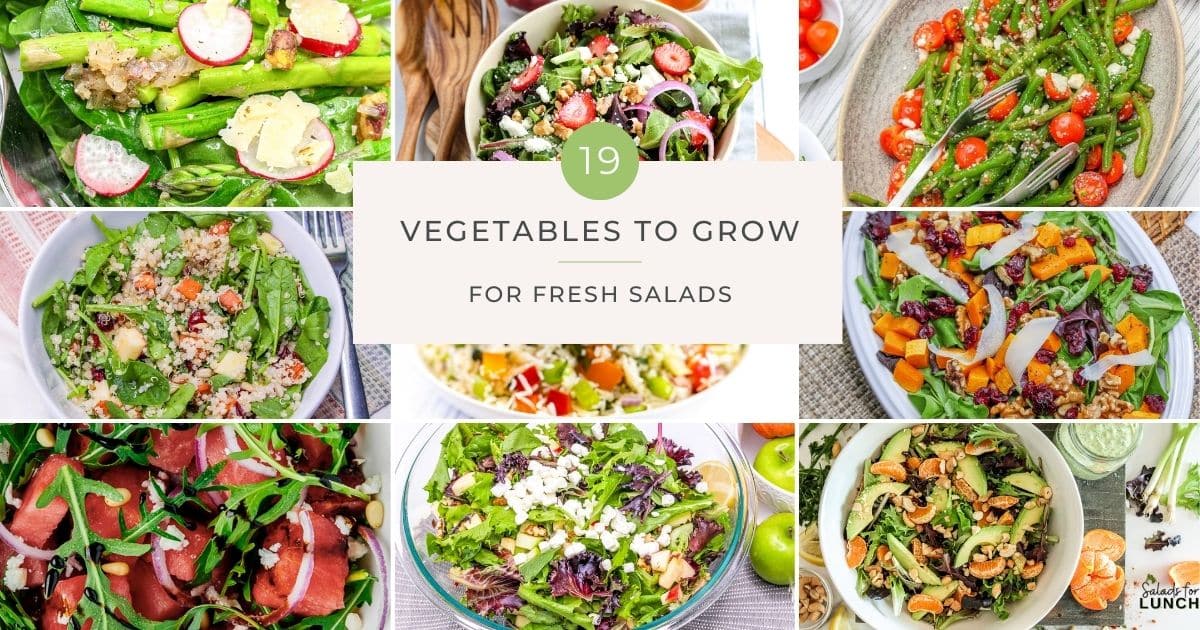
Before you can toss together the perfect salad, you need to know which vegetables thrive in a home garden and deliver the best flavor in bowl. From crisp romaine and butterhead lettuce to cherry tomatoes, cucumbers, radishes, and snap peas, there is a wide range of produce that grows beautifully in garden beds or containers. Arugula, spinach, kale, carrots, beets, bell peppers, green onions, Swiss chard, endive, watercress, and fresh herbs like basil and parsley round out the list of top performers. Growing these varieties gives you a diverse palette of textures, colors, and nutritional profiles to work with every season
- 2 cups romaine or butterhead lettuce, torn
- 1 cup baby spinach or arugula
- 1/2 cup cherry tomatoes, halved
- 1/2 cup cucumber,hinly sliced
- 1/4 cup radishes, sliced
- 1/4 cup shredded carrots
- 2 tablespoons fresh basil or parsley, chopped tablespoons extravirgin olive oil
- 1 tablespoon red wine vinegar
- Salt and freshly ground black pepper to taste
- Harvest your lettuce, spinach, and arugula in early morning when leaves are at their crispest. Rinse thoroughly under cold water and spin or pat dry.
- Slice cherry tomatoes in half and set aside. Thinly slice cucumber and radishes using a sharp knife or mandoline for uniform cuts.
- Shred carrots using a box grater or vegetable peeler and roughly chop fresh basil or parsley.
- Combine all greens in a large salad bowl. Layer the tomatoes, cucumber, radishes, and carrots over the top for a visually appealing presentationIn a small bowl, whisk together olive oil, red wine vinegar, salt, and pepper until emulsified into a light vinaigrette.
- Drizzle the dressing over the salad just before serving and toss gently to coat every leaf and vegetable evenly.
- Finish with a scatter of fresh herbs and serve immediately for the best texture and flavor.

Grow A Garden simplifies the journey from seed to salad by providing a structured approach to planning, planting, and harvesting your ingredients one cohesive system. Following complete recipe table ensures you always know which vegetables are ready to pick, how to combine them for balanced nutrition and flavor, and which dressings complement each harvest. Whether you are working with a spring mix of tender greens or a heartier autumn featuring roasted beets and kale, the Grow A Garden method helps you build confident, repeatable salad recipes that evolve with the seasons.
- 3 cups mixed greens (kale, Swissive, or watercress) 2 cup roasted or raw beets, d>1/2 cup snap peas or green beans, trimmed
- 1/4 cup sliced bell peppers (any color)
- 3 green onions, tcup crumbled feta or goat cheese (optional)
- 1/4 cup toasted sunflower seeds or walnuts
- 3 tablespoons olive oil
- 1 tablespoon fresh lemon juice
- 1 teaspoon Dijon mustard
- 1 teaspoon honey
- Salt and pepper to taste
- If using roasted beets, wrap them in foil with a drizzle of olive oil and roast at 400°F for 45 minutes until tender. Allow to cool before peeling and dicing.
- Blanch snap peas or green beans in boiling salted water for 90 seconds, then immediately transfer to an ice bath to preserve their vibrant color and crunch.
- Wash and dry all garden greens thoroughly. Remove any tough stems from kale or Swiss chard and tear leaves into bite-sized pieces.
- Whisk together olive oil, lemon juice, Dijon mustard, honey, salt, and pepper in a small jar or bowl until well combined and slightly thickened.
- Arrange the greens as the base in a wide serving bowl. Place beets, snap peas, bell peppers, and green onions in sections across the top for composed presentation.
- Scatter crumbled cheese and toasted nuts or seeds across the salad for added richness and texture.
- Drizzle the honeylemon dressing evenly over the entire salad. Toss lightly at table serve as a composed salad withoutossing to preserve the arrangement.
- Pair with crusty bread or light soup for a complete, satisfying garden-to-table meal.